Is It Cheaper to Build a PC or Buy a Prebuilt?
- sunny Mdhr
- Feb 5
- 4 min read

Updated: Feb 6

If you’re planning to get a new PC, one of the first questions you’ll ask is: is it cheaper to build a PC yourself or buy a prebuilt?
This is a common concern for beginners who want the best performance without overspending.
At Budget Gaming PC Lab, we focus on helping users understand PC building from a budget and beginner-friendly perspective. Whether you’re planning your first build or comparing options, knowing the real cost difference can save you both money and frustration.
In this guide, we’ll break down the cost, value, and long-term benefits of building a PC versus buying a prebuilt, so you can make a smarter decision based on your needs.
Building a PC vs Buying a Prebuilt: The Basic Difference

A prebuilt PC is a ready-made system sold by brands or retailers. You buy it, plug it in, and start using it.
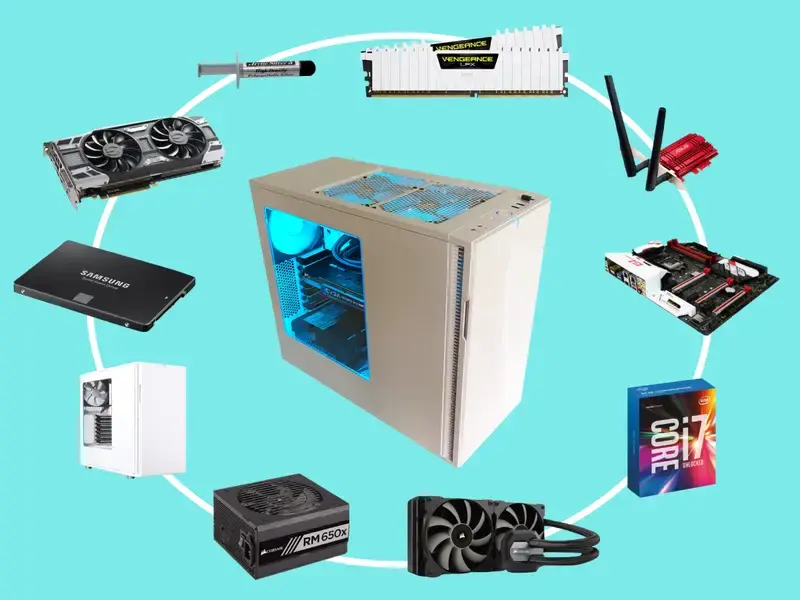
A custom-built PC means you choose every component yourself—CPU, GPU, RAM, storage, power supply—and assemble it on your own (or with help).
At first glance, prebuilts look easier. But when it comes to cost and value, things get interesting.
Is Building a PC Cheaper?
In most cases, yes—building a PC is cheaper for the performance you get.
When you build a PC yourself:
You pay only for the parts you actually need
You avoid brand markup and assembly fees
You can prioritize performance over aesthetics
For example, with the same budget:
A prebuilt might give you a mid-range GPU and slower RAM
A custom build could give you a better GPU or faster storage
That difference matters a lot for gaming and productivity.
Why Prebuilt PCs Often Cost More
Prebuilt systems are usually more expensive because:
Companies charge for assembly and warranty
Branding adds extra cost
Some parts are lower quality to maintain profit margins

Many prebuilts also use:
Generic power supplies
Basic motherboards
Slower RAM
These aren’t always mentioned clearly in product listings, which can affect long-term performance and reliability.
When Buying a Prebuilt Makes Sense
Buying a prebuilt PC isn’t always a bad idea. It can be worth it if:
You don’t want to deal with assembly at all
You need a PC urgently
You find a rare deal where pricing is competitive
You’re uncomfortable troubleshooting hardware issues
For absolute beginners who want zero hassle, prebuilts can still be a reasonable starting point.
Long-Term Value: Upgrades and Repairs
One major advantage of building a PC is upgradability.

With a custom-built PC:
You can upgrade parts one by one
Repairs are cheaper because you replace only what’s broken
You’re not locked into proprietary components
Prebuilt PCs often limit upgrades due to:
Custom cases
Locked BIOS
Non-standard power supplies
Over time, a custom PC almost always offers better long-term value.
So, Which Option Is Better for You?
Choose building a PC if:
You want the best performance for your budget
You plan to upgrade in the future
You’re willing to learn the basics of PC components
Choose a prebuilt PC if:
Convenience matters more than value
You want a ready-to-use system
You find a genuinely good deal
If you’re new to PC building, you can also check out our beginner-friendly guide on how to build a PC step by step to understand the process before deciding.
Final Verdict

In most situations, building a PC is cheaper and offers better value than buying a prebuilt, especially for gaming and performance-focused users. While prebuilts offer convenience, custom PCs give you control, flexibility, and long-term savings.
If you’re willing to invest a little time learning, building your own PC is often the smarter choice.
**Frequently Asked Questions
Is it cheaper to build a PC in 2025?
In most cases, yes. Building a PC is often cheaper than buying a prebuilt with similar performance because you’re not paying extra for assembly, branding, or unnecessary components. However, prices can vary depending on GPU availability and local market costs.
Are prebuilt PCs worth it for beginners?
Prebuilt PCs can be worth it for beginners who want convenience and a ready-to-use system. They save time and come with warranties, but they usually cost more and may include lower-quality parts compared to a custom build at the same price.
How much money can you save by building your own PC?
On average, you can save anywhere from 10% to 30% by building your own PC, especially in the budget and mid-range segments. The biggest savings usually come from choosing your own power supply, motherboard, and avoiding unnecessary add-ons.
Is building a PC difficult for first-time builders?
Building a PC may seem intimidating at first, but it’s much easier than it looks. With step-by-step guides and videos, most first-time builders can assemble a PC in a few hours. Modern components are designed to be beginner-friendly and mostly plug-and-play.
Should I build or buy a PC for gaming?
If performance, upgradability, and value matter most, building a PC is usually the better option for gaming. If you prefer convenience and minimal setup, a prebuilt gaming PC can still be a good choice — just expect to pay a bit more.


Comments